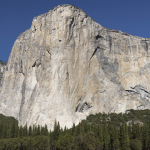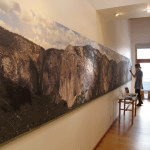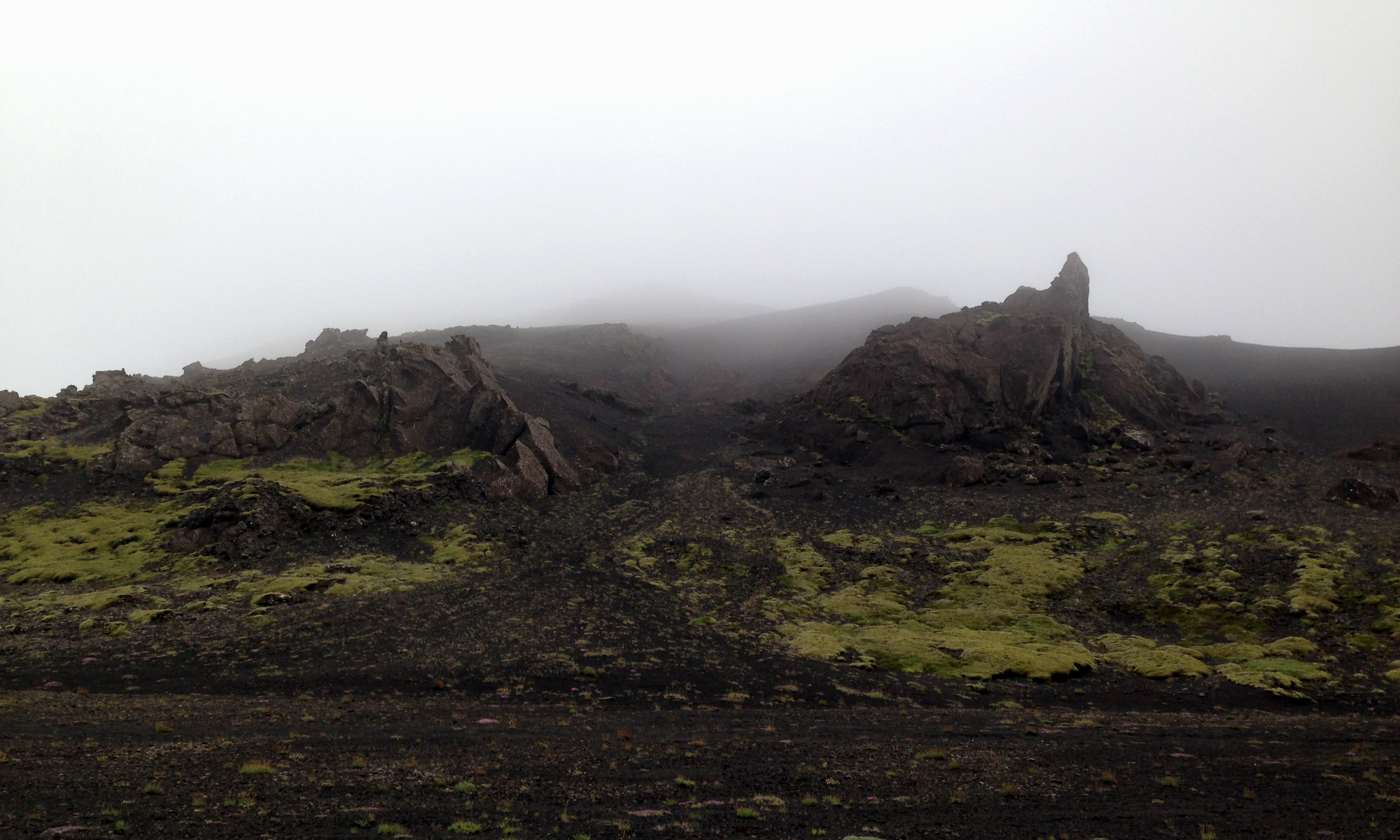

We are pleased to announce we are showing select gigapixel prints at the G2 Gallery in Venice CA as the current Nature LA exhibit, running from April 19, 2011 through June 19. We hosted a reception on Friday May 6, and a talk on our work on Friday May 13 entitled “Technology in Service of Conservation”.
Director Mike Patterson and Eric Hanson of xRez Studio acted as co-organizer of a visual music event at the USC School of Cinematic Arts complex in April of 2011. Several student animation projects were projected onto the building in various forms, from realtime stereoscopic interventions to aligned architectural projections.
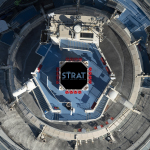
xRez Studio was given a unique opportunity to spherically shoot and document the largest engineering project in the US, the National Ignition Facility at Lawrence Livermore Labs in Northern California.
We are pleased to announce a joint agreement with SpaceCam Systems, the leader in high-end aerial cinematography. We are currently developing some very exciting technology together and hope to offer innovative solutions for new means of aerial capture in the very near future.
xRez Studio and BlackboxFX collaborator Ethan Summers have just completed a number of visual effects shots for a film produced by Aperture Films depicting the British war of 1812 at Fort McHenry on the eastern seaboard, where the Star-Spangled Banner was written by Francis Scott Key in reaction to the bombardment of the fort.
We at xRez have always had a keen interest in the latest implentations of NUI’s (Natural User Interfaces). Here are a few video examples of xRez imagery being explored with a Gesture Based Interface with the Kinect as part of “Open Exhibits” and a large Multitouch screen at CES.
The presentation xRez Studio made for the “Fine International Conference on Gigapixel Imaging for Science” 2010 at Carnegie Mellon is now on-line.
While doing work on the National Geographic special “Sunken Treasures of the Nile” a significant archaeological find was made. Philippe Martinez discovered what we have been calling “Stela M” that contains the first description ever found of how the 1000 ton obelisks were moved. Philippe needed gigapixel detail documentation of the surface so that he could have a good record of the surface for later study. Unfortunately the Stela had fallen over from it’s original position and was facing the ground making a “head-on” photo impossible.